Why Park Rapids Metal Fabrication Delivers Custom Engineering Solutions
Learn about the Kinds of HVAC Services: Choose the Right Fit for Your Home
Assessing the broad range of HVAC services is important for homeowners wanting the best answers for their living spaces. From regular care to tailored deployments, understanding these options can profoundly affect comfort and efficiency. Identifying when restoration or substitution are called for also holds vital importance. As homeowners traverse these preferences, notable crucial factors will materialize, inspiring further considerations for ideal indoor climate management.
Grasping Essential HVAC Services
Routine maintenance services such as evaluations, cleaning, and filter replacements ensure peak performance and extend the life span of HVAC systems. Homeowners should also be aware of installation services that deliver efficient systems tailored to their specific needs. Additionally, duct sealing and cleaning are important for enhancing airflow and reducing energy costs. Knowledge of these basic services empowers homeowners to take educated choices, assuring a healthy and comfortable indoor atmosphere throughout the year. Comprehending these elements is the first step in properly handling one's HVAC needs.
Spotting Symptoms for Repairs or Replacing
Homeowners should be attentive to unusual noises and smells emanating from their HVAC systems, as these can denote concealed problems. Additionally, a noticeable increase in energy bills may signal inefficiencies that warrant repairs or even a replacement. Recognizing these signs early can help prevent more extensive damage and costly repairs.
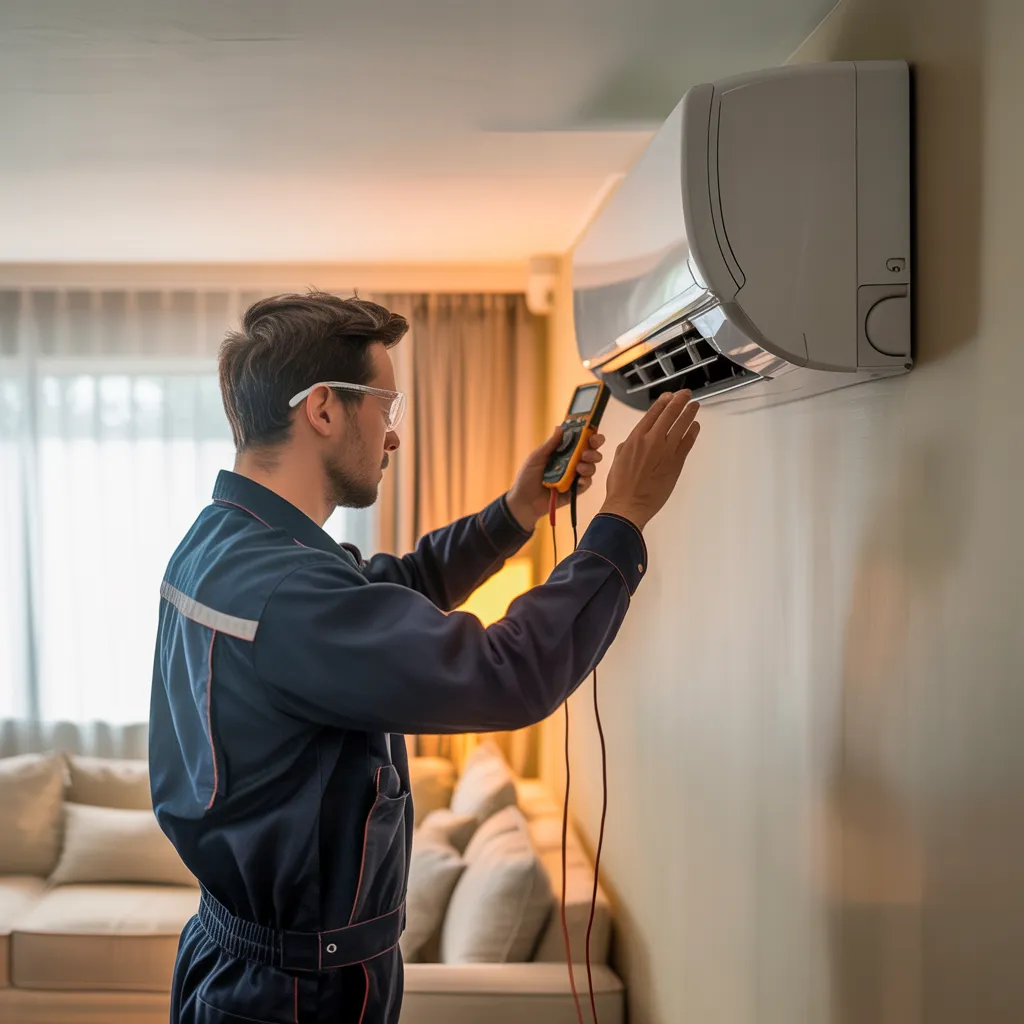
Strange Noises and Smells
Homeowners should tackle these issues promptly to avoid further damage. Overlooking such signs can result in more substantial maintenance or even complete equipment failure. Routine upkeep can help identify and reduce these problems ahead of time, ensuring that the HVAC unit operates efficiently and securely. Knowledge of these signs is crucial for maintaining a pleasant home environment.
Higher Energy Charges
With power bills increasing unexpectedly, it may point to hidden faults with the HVAC system that require immediate attention. Homeowners should keep an eye on their regular energy expenses carefully, as considerable increases might indicate inefficiencies. Typical causes include clogged filters, refrigerant leaks, or malfunctioning parts that cause the system to work more. Moreover, old units may have difficulty maintaining efficiency, resulting in higher operational costs. Routine maintenance checks can help spotting these issues early, which can possibly prevent expensive repairs or replacements. If an energy bill spike is noted along with other symptoms like inadequate heating or cooling, it might be time to seek a professional’s advice. Acting promptly can result in better energy efficiency and reduced monthly costs.
How to Identify the Perfect HVAC System for Your Requirements?
Determining the ideal HVAC system can feel overwhelming, but understanding key factors can streamline the selection process. First, homeowners should assess their specific heating and cooling needs based on the size of their space and regional weather patterns. This ensures the system is correctly sized for optimal performance and comfort.
Subsequently, evaluating energy efficiency ratings, such as SEER and AFUE, is important. Superior ratings often lead to reduced operating costs over time. Additionally, considering the type of system—central air, ductless mini-splits, or heat pumps—can affect both maintenance and installation.
Budget constraints should also influence; while upfront costs are critical, potential long-term savings should not be neglected. Homeowners should research established brands and consult with expert advice to guarantee proper installation. Ultimately, a well-reasoned selection will lead to enhanced comfort and decreased energy bills in the forthcoming years.
Leading Energy-Saving HVAC Enhancements
Multiple energy-efficient HVAC enhancements can significantly elevate home comfort while reducing utility bills. One of the most successful upgrades is the addition of a schedule-based thermostat, giving homeowners to personalize heating and cooling schedules based on their daily routines. Another valuable option is high-efficiency air filters, which strengthen indoor air quality and system performance by trapping more dust and allergens.
Upgrading to a variable-speed blower motor also strengthens energy efficiency, providing controlled air circulation and decreasing energy demand. In addition, sealing ductwork and adding insulation can avert expensive energy leakage, ensuring that conditioned air reaches its target spaces.
In the end, purchasing ENERGY STAR-rated appliances ensures superior performance and reduced energy consumption, making them a wise investment for environmentally aware homeowners. Overall, these improvements not only support a more sustainable environment but also lead to significant long-term savings on energy bills.
Specialized HVAC Services: Duct Cleaning and System Inspections
Duct cleaning and inspections serve a critical purpose in maintaining ideal HVAC performance. Regular cleaning not only boosts indoor air quality but also improves operational efficiency. Common duct issues can lead to substantial power waste and health problems, making preventative inspections vital for homeowners.
Value of Duct Upkeep
While many homeowners may ignore the importance of routine air duct maintenance, it functions as a vital factor in preserving a healthy indoor setting. Over time, dust, allergens, and contaminants collect in air ducts, helpful resource possibly impacting air quality and lung function. Well-maintained ducts boost HVAC efficiency, which can reduce energy costs and prolong system lifespan. Additionally, overlooked air ducts can contain mold and pests, presenting additional safety concerns. Regular cleaning not only minimizes these issues but also creates a more pleasant living space. Homeowners should consider professional duct cleaning services to confirm complete and efficient elimination of contaminants. By focusing on duct care, they can establish a cleaner, safer atmosphere for their families, ultimately enhancing overall well-being.
Perks of Recurring Audits
Frequent evaluations of HVAC systems give important insights into their performance and longevity. These checkups aid in spotting possible issues before they intensify, ensuring proper functioning and stopping expensive repairs. By spotting damage early, homeowners ensure top system efficiency, commonly leading to decreased energy bills. Additionally, regular checkups boost indoor air quality by confirming components are clean and working well. They support the home's overall comfort by maintaining steady heating and cooling. In addition, manufacturers often require scheduled inspections to maintain warranties, rendering this a financially sensible investment. Ultimately, frequent inspections are key to preserving the performance and longevity of HVAC systems.
Regular Duct Malfunctions
HVAC systems rely heavily on the integrity of their ductwork, which can often encounter various issues that compromise performance and air quality. Common problems include leaks, which allow conditioned air to escape, reducing efficiency and raising energy costs. Dust and debris accumulation can obstruct airflow, leading to uneven heating or cooling throughout a home. Additionally, improper insulation can result in temperature imbalances, causing the system to work harder. Ducts may also suffer from mold growth, posing health risks to occupants. Regular inspections and professional cleaning are essential to identify and rectify these issues, ensuring peak system performance and improved indoor air quality. Addressing duct problems promptly can enhance comfort and extend the lifespan of HVAC systems.
Selecting the Premier HVAC Specialist
How do you find the best HVAC service provider for your home? First, it is necessary to examine local companies, concentrating on their reputation and customer reviews. A reputable provider should have a strong track record of satisfied clients and positive feedback. Next, checking for proper licensing and insurance is necessary; this guarantees that the technicians are qualified and protected against potential liabilities.
Additionally, securing several quotes can help homeowners assess costs and services rendered. Clarity in pricing and thorough contracts are signs of a trustworthy company.
Finally, evaluating the variety of services provided—including setup, maintenance, and urgent repair services—can also affect the choice. Ultimately, a mix of standing, qualifications, price, and service choices will guide homeowners in choosing the best HVAC service provider tailored to their particular requirements.
Commonly Asked Questions
How Consistent Should HVAC Maintenance Services Occur?
Typically, HVAC maintenance services should be scheduled at least once a year. However, twice-yearly inspections, especially before summer and winter, can enhance system efficiency and lifespan, guaranteeing peak operation throughout the seasons.
What Benefits Does a Automated Thermostat Provide?
A programmable thermostat enhances energy efficiency, allowing occupants to program specific heating and cooling schedules. This brings reduced energy bills, greater comfort, and lessened wear on HVAC systems, promoting lengthier equipment lifespan and peak operation.
How can I determine if my setup is energy-efficient?
To examine if a system is energy-efficient, one should analyze its SEER rating, track energy bills, and evaluate maintenance history. Additionally, contrasting performance with newer models can offer insight into potential enhancements and savings.
Can I attempt to install an HVAC system by Myself?
Putting in an HVAC system on your own is ordinarily not preferred due to technical challenges and building codes. Professional installation guarantees safety, efficiency, and compliance, ultimately providing more effective long-term performance and reliability for residential heating and cooling needs.
What Permits Do You Require for HVAC Placement?
Local regulations typically require permits for HVAC installation, along with electrical, sanitary, and equipment certificates. Homeowners should liaise with local building authorities to guarantee observance with codes and avoid impending assessments or setbacks during the installation.